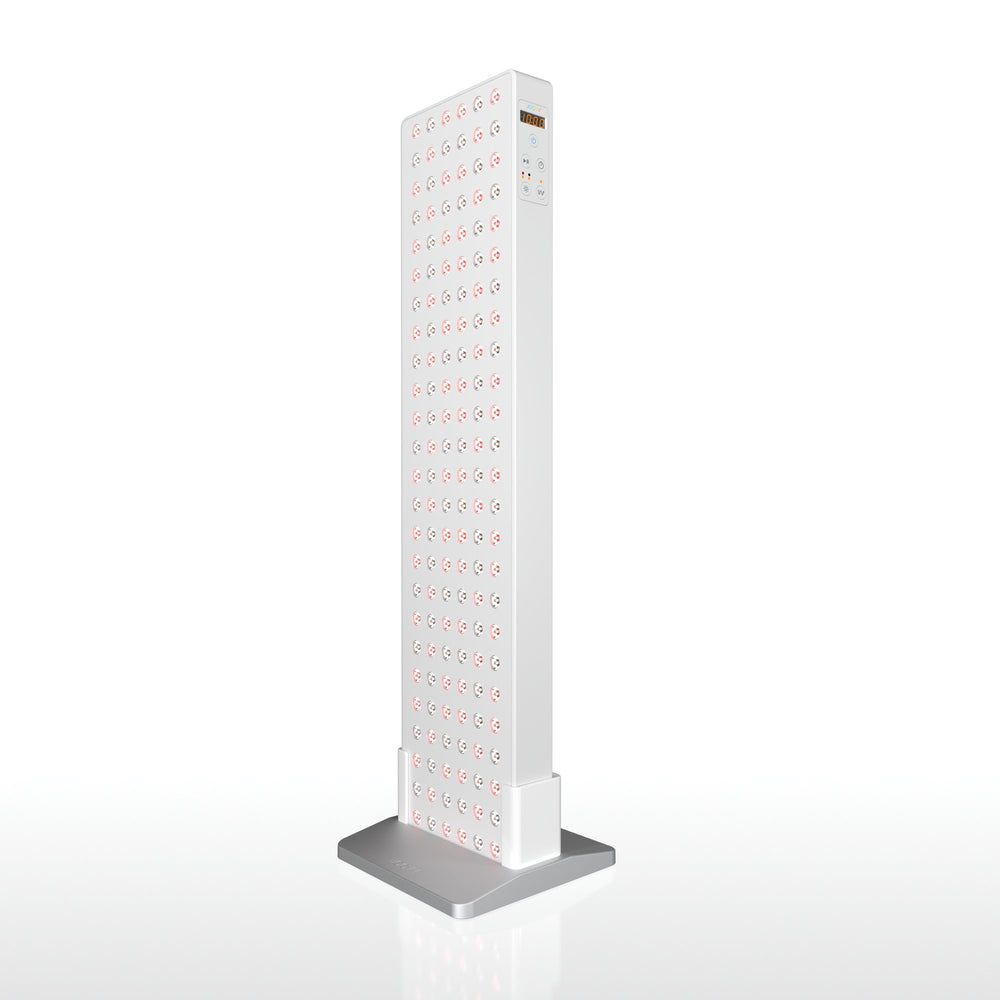
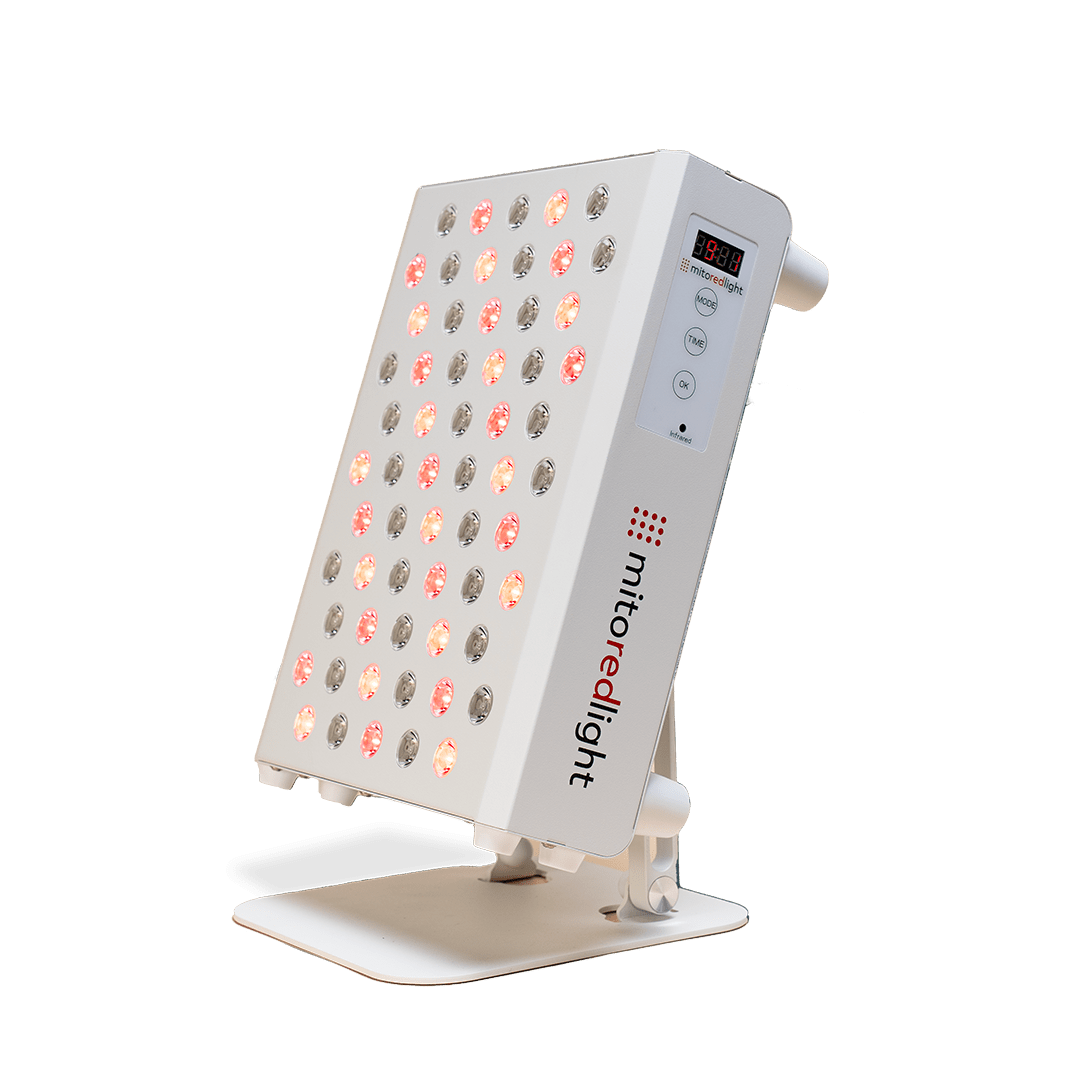
Red and near-infrared light devices are everywhere — from skin clinics to home panels. We separate marketing hype from published research on skin, muscle recovery, and sleep.
Red light therapy (photobiomodulation) uses wavelengths roughly between 630–850 nm to penetrate skin and interact with mitochondria, potentially enhancing ATP production and reducing oxidative stress in targeted tissues. It sounds futuristic, but the concept has decades of research behind it — particularly in dermatology and wound healing.
The strongest evidence supports use for certain skin conditions, wound healing, and hair loss in specific protocols. Athletic recovery studies show modest benefits for muscle soreness and performance markers in some trials, but results vary by wavelength, dose (irradiance × time), and distance from the device.
Home panels vary wildly in power output. Effective doses are often measured in joules per square centimeter — many consumer devices under-deliver compared to clinical units. "More red light" without proper dosing is not better.

If you try red light therapy, prioritize devices with published irradiance specs, start with manufacturer-recommended distance and session length, and protect your eyes per device guidelines. It is not a replacement for sleep, nutrition, or exercise.
Skepticism is healthy: many influencer claims ("reverse aging," "boost testosterone dramatically") outpace the literature. Treat RLT as a potential adjunct for skin and recovery — not a longevity panacea.
As the market matures, look for third-party testing and realistic expectations. The science is promising in niches; the marketing often is not.