
Peak-season produce isn't just cheaper and tastier — several studies show it's measurably more nutrient-dense. Here is what the research says about the five summer foods worth building your plate around, and the studies behind each claim.
Nutrient content isn't fixed — it changes with harvest timing and storage. A widely cited study in the Journal of Agricultural and Food Chemistry found that spinach lost roughly half its vitamin C and folate within a week of refrigerated storage after harvest, and broccoli harvested in its natural season contained nearly double the vitamin C of the same crop grown out of season. The American Heart Association's review of seasonal-eating research reaches a similar conclusion: produce picked ripe and eaten close to harvest retains more water-soluble vitamins and antioxidants than produce picked early and shipped long distances.
Summer's harvest — melons, tomatoes, berries, and stone fruit — happens to concentrate several of the most-studied protective compounds in nutrition science: lycopene, anthocyanins, and polyphenols. That overlap is what makes this specific list worth highlighting.
First, watermelon. Over 90% water, watermelon is one of the richest dietary sources of lycopene, along with citrulline and arginine — compounds involved in nitric oxide production, which helps blood vessels relax. Research summarized in Nutrients and related reviews links lycopene intake to improved vascular function and lower cardiovascular risk, and NHANES dietary-survey data shows watermelon consumers report higher overall intakes of fiber, potassium, and vitamin C.
Alongside watermelon, tomatoes are summer's other major lycopene source. A meta-analysis published in Food Chemistry found lycopene intake was inversely associated with all-cause mortality, cardiovascular disease, and metabolic syndrome. Tomatoes also supply vitamin C, potassium, and folate, nutrients tied to immune function and blood pressure regulation.
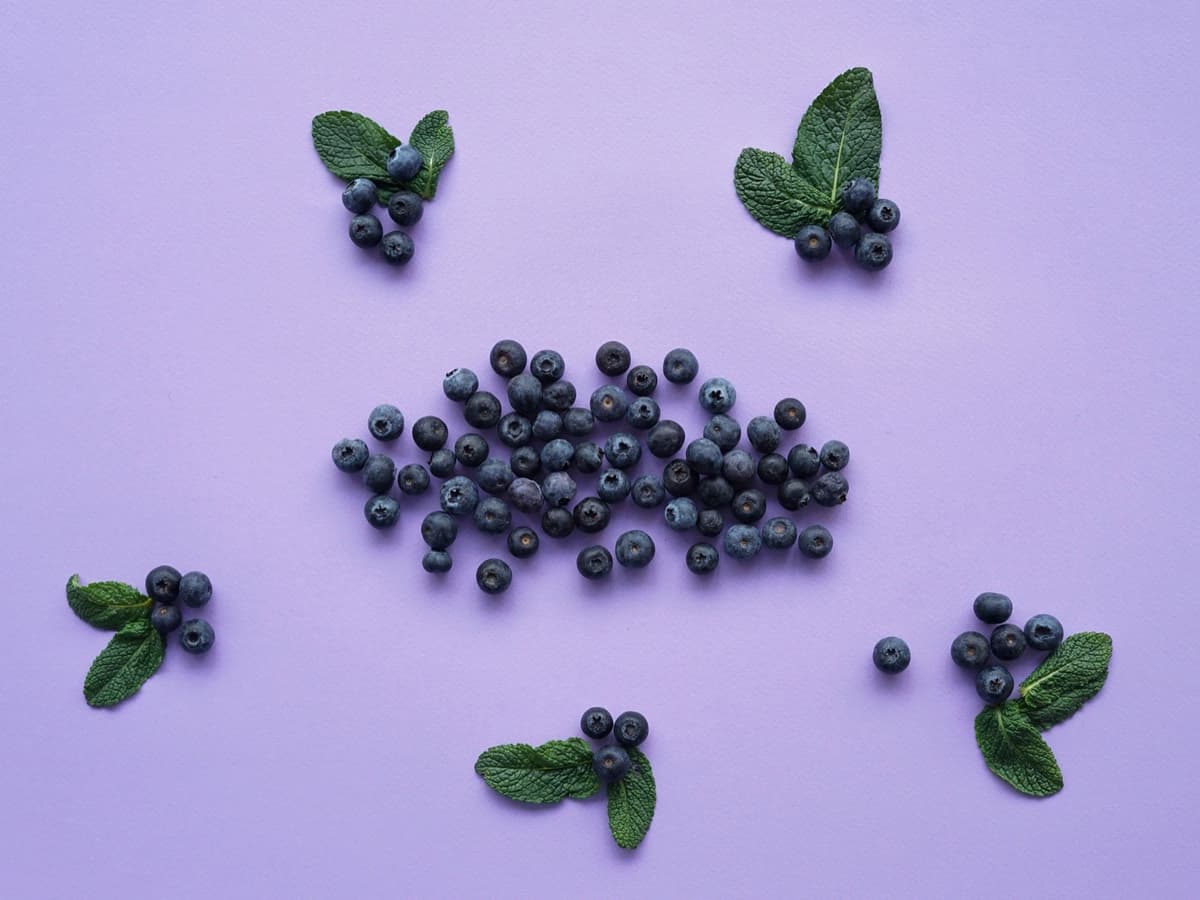
Berries are next — and blueberries in particular are dense in anthocyanins, the polyphenols responsible for their color. A double-blind, placebo-controlled randomized trial published in the American Journal of Clinical Nutrition found that wild blueberry polyphenols improved vascular function and cognitive performance in healthy older adults. A separate study in Food Chemistry found anthocyanin content in blueberries peaks just before the fruit fully softens — meaning firm, dark, in-season berries carry more antioxidants than later-picked ones.
Stone fruits — peaches, plums, and nectarines — contain four major groups of phenolic compounds: anthocyanins, chlorogenic acids, quercetins, and catechins. Laboratory research from Texas A&M's AgriLife program found these compounds act on obesity, inflammation, insulin resistance, and LDL oxidation simultaneously, the combination of processes involved in metabolic syndrome.
Cucumbers and summer squash are less studied individually, but nutritionally relevant for a different reason: at roughly 95% water plus potassium, cucumbers and zucchini support hydration and electrolyte balance during hot months, when fluid loss through sweat is highest — a practical complement to the antioxidant-dense foods above rather than a source of the same compounds.
You don't need to eat all five daily. A practical approach: build lunch or dinner around a tomato-heavy salad several times a week, keep washed berries on hand for breakfast or snacks, add a wedge of watermelon or a stone fruit after meals instead of processed dessert, and use cucumber or zucchini as a low-effort hydration boost in salads or as a snack. Buying what's in season locally also tends to mean less time between harvest and your plate — which, per the research above, is when nutrient content is highest.


