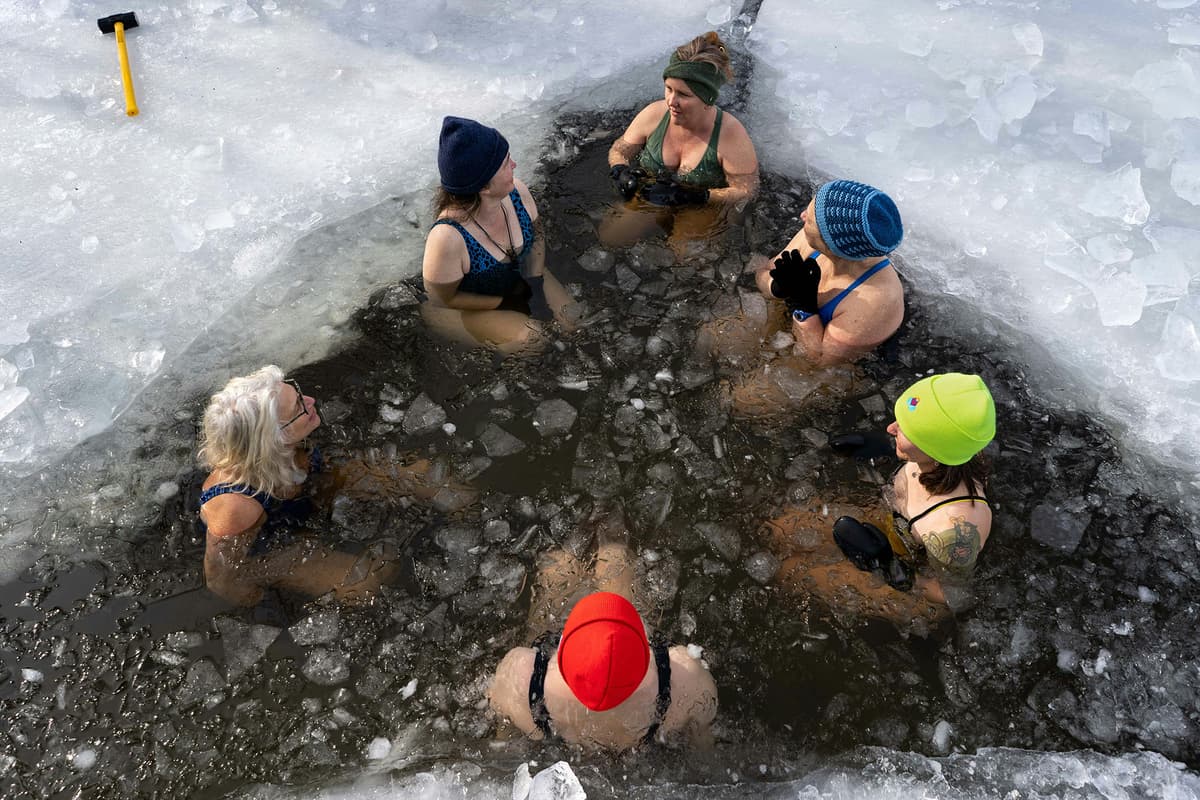
From elite athletes to longevity researchers, cold exposure has moved from fringe experiment to mainstream recovery tool. Here is what the evidence actually shows — and how to start safely.
Cold exposure — whether through ice baths, cold showers, or outdoor plunges — triggers a cascade of physiological responses that go far beyond the initial shock of cold water. Within seconds, your body activates the sympathetic nervous system, increasing norepinephrine release by up to 300% in some studies. This surge is linked to improved alertness, mood regulation, and anti-inflammatory effects.
Research on cold water immersion (CWI) after intense exercise suggests it can reduce perceived muscle soreness and markers of muscle damage. A 2018 meta-analysis in the International Journal of Sports Medicine found that CWI was effective for reducing delayed-onset muscle soreness (DOMS) compared to passive recovery — particularly when water temperature was between 10–15°C (50–59°F) and immersion lasted 10–15 minutes.
Beyond recovery, cold exposure activates brown adipose tissue (BAT) — a metabolically active fat that generates heat. Studies show that regular cold exposure may improve insulin sensitivity and support metabolic health, making it a topic of growing interest in longevity research.

The key takeaway is that cold exposure is a hormetic stressor — a controlled challenge that makes the body more resilient when applied correctly. But more is not always better. Prolonged or excessively cold immersion can impair strength adaptations when done immediately after hypertrophy training, and it is not recommended for people with cardiovascular conditions without medical clearance.
If you are new to cold exposure, start with 30–60 seconds of cold water at the end of your shower, gradually building tolerance over weeks. For ice baths, aim for 2–5 minutes at 10–15°C once or twice per week. Always breathe slowly and deliberately — panic breathing increases stress rather than reducing it.
Cold exposure is not a magic bullet, but as part of a broader recovery and resilience protocol — alongside sleep, nutrition, and movement — it offers a science-backed tool worth exploring. Listen to your body, start small, and consistency beats intensity every time.


