High-intensity workouts get attention, but low-intensity steady-state cardio may be the most important training zone for metabolic health and extending healthspan.
Zone 2 training refers to exercise performed at an intensity where you can still hold a conversation — typically 60–70% of maximum heart rate. Activities include brisk walking, easy cycling, swimming, or jogging at a comfortable pace. It feels almost too easy, which is why many people skip it in favor of harder sessions.
The science tells a different story. Zone 2 is the primary intensity for building mitochondrial density and improving fat oxidation — both critical for metabolic flexibility and cardiovascular health. Researchers like Dr. Peter Attia and exercise physiologists studying centenarian populations emphasize that aerobic base building is foundational for long-term healthspan.
Studies link regular moderate aerobic activity with reduced all-cause mortality, improved insulin sensitivity, lower blood pressure, and better cognitive function in aging populations. The WHO recommends at least 150 minutes of moderate-intensity activity per week — Zone 2 fits this guideline precisely.

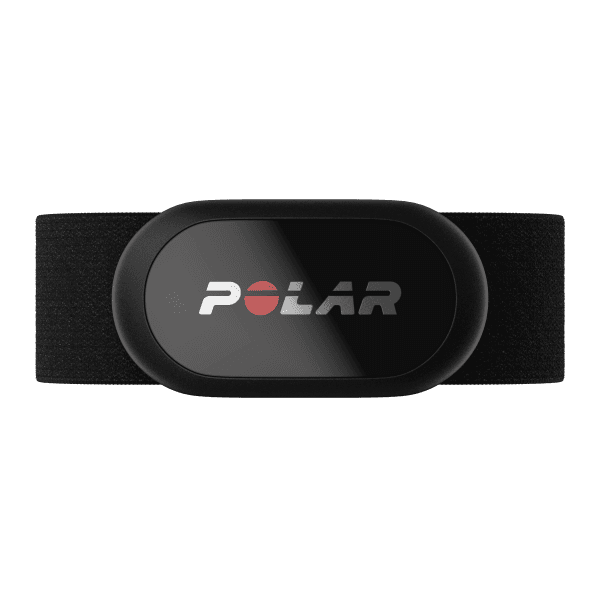
To find your Zone 2, use the talk test: you should be able to speak in full sentences but not sing. Heart rate monitors help — roughly 180 minus your age is a common starting estimate, adjusted for fitness level. Most people benefit from 3–4 sessions of 45–60 minutes weekly.
Zone 2 pairs well with strength training and occasional high-intensity work. Think of it as the aerobic foundation that supports everything else. Without it, VO2 max plateaus, recovery suffers, and metabolic health gains from other interventions are harder to maintain.
You do not need expensive equipment. A daily brisk walk on varied terrain, a steady bike ride, or uphill hiking all count. Consistency over months and years matters far more than any single heroic workout.